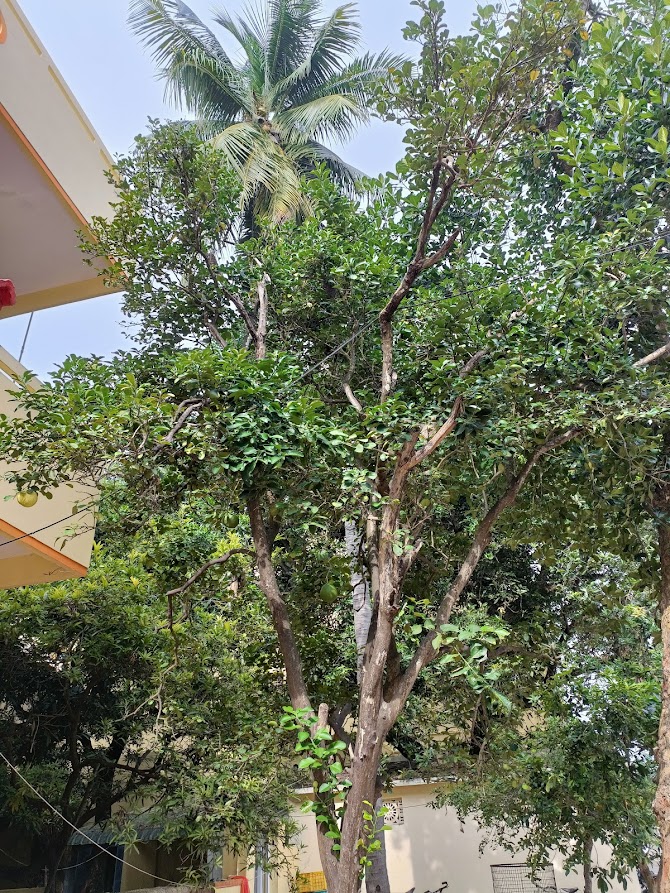
 When Sri Gurudev was disappointed by the humans not following his instructions, he ordered this grapefruit tree to bear fruits throughout the year. It has since been obediently following the same for more than 35 years, irrespective of seasons.
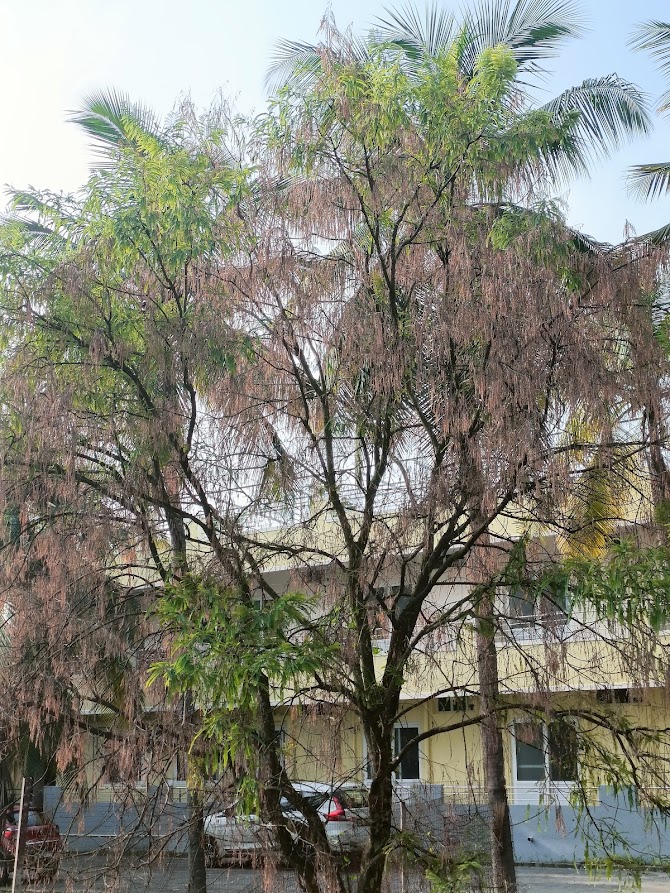 The leaves of this gooseberry tree in our ashram have completely dried up. When holy water (from ritual washing of Sri Gurudev's Padukas) was poured for 3-4 days new green leaves started sprouting and the tree revived.
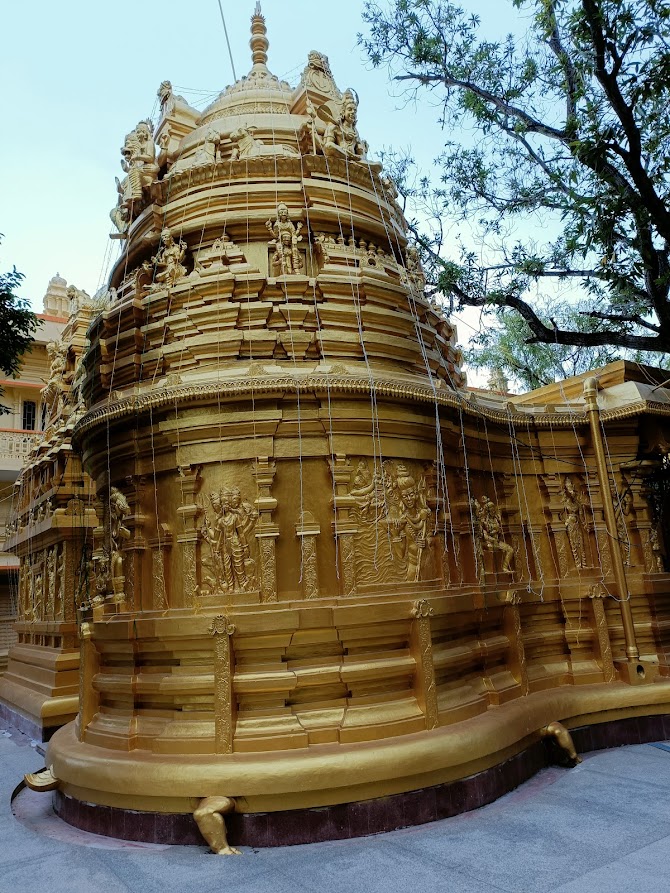 The Shivalayam in our ashram is modelled up on Mt Mandhara supported at the bottom by Lord Vishnu in his Kurma Avatar. You can see the feet and tail of the tortoise in this picture. The head can be seen under the entrance to the garbhalayam.
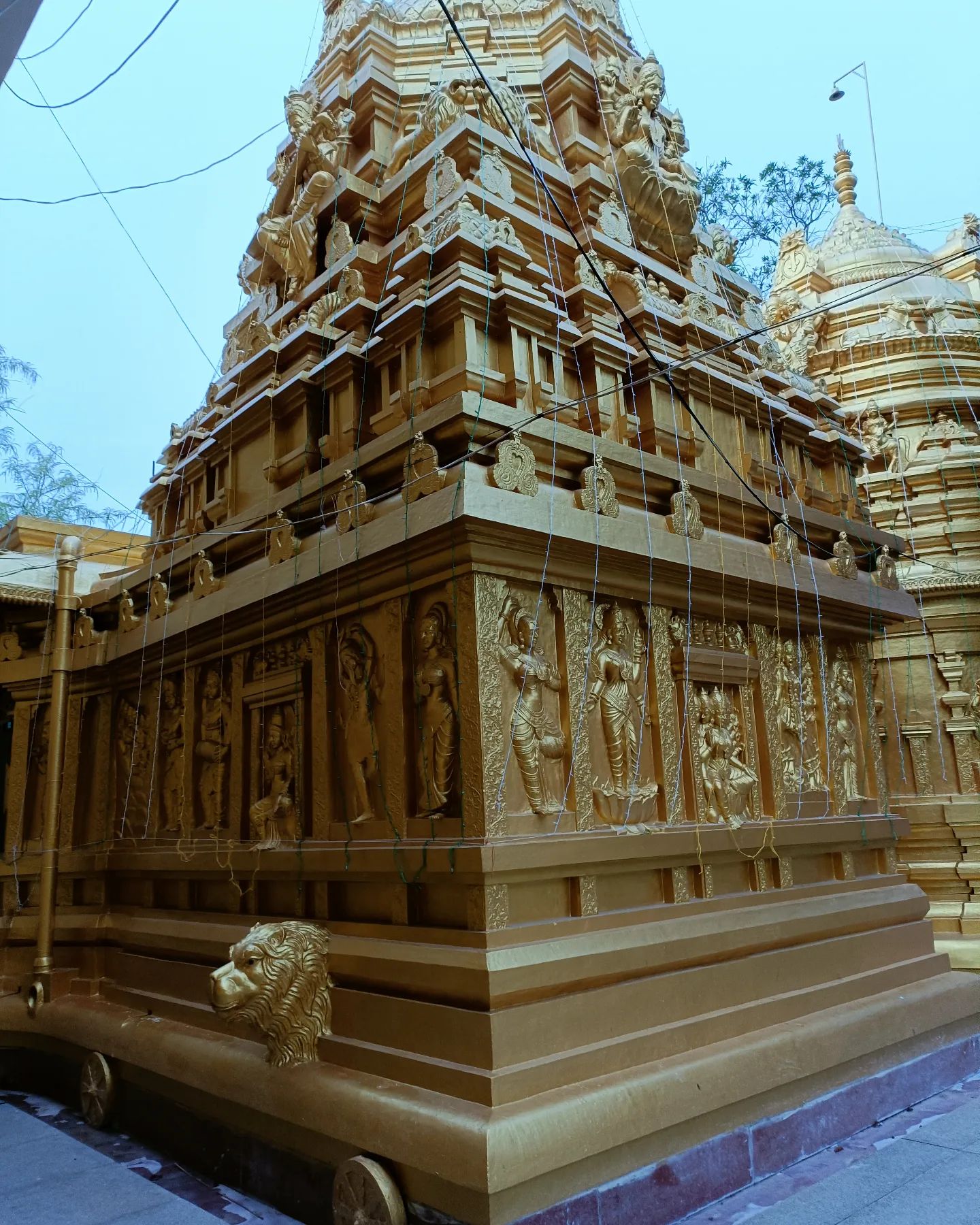 The Kali temple in our ashram is modeled as a Srichakra Mahameru on a chariot. You can see the chariot wheels here and also the shapes from Srichakra in the upper part in this picture.
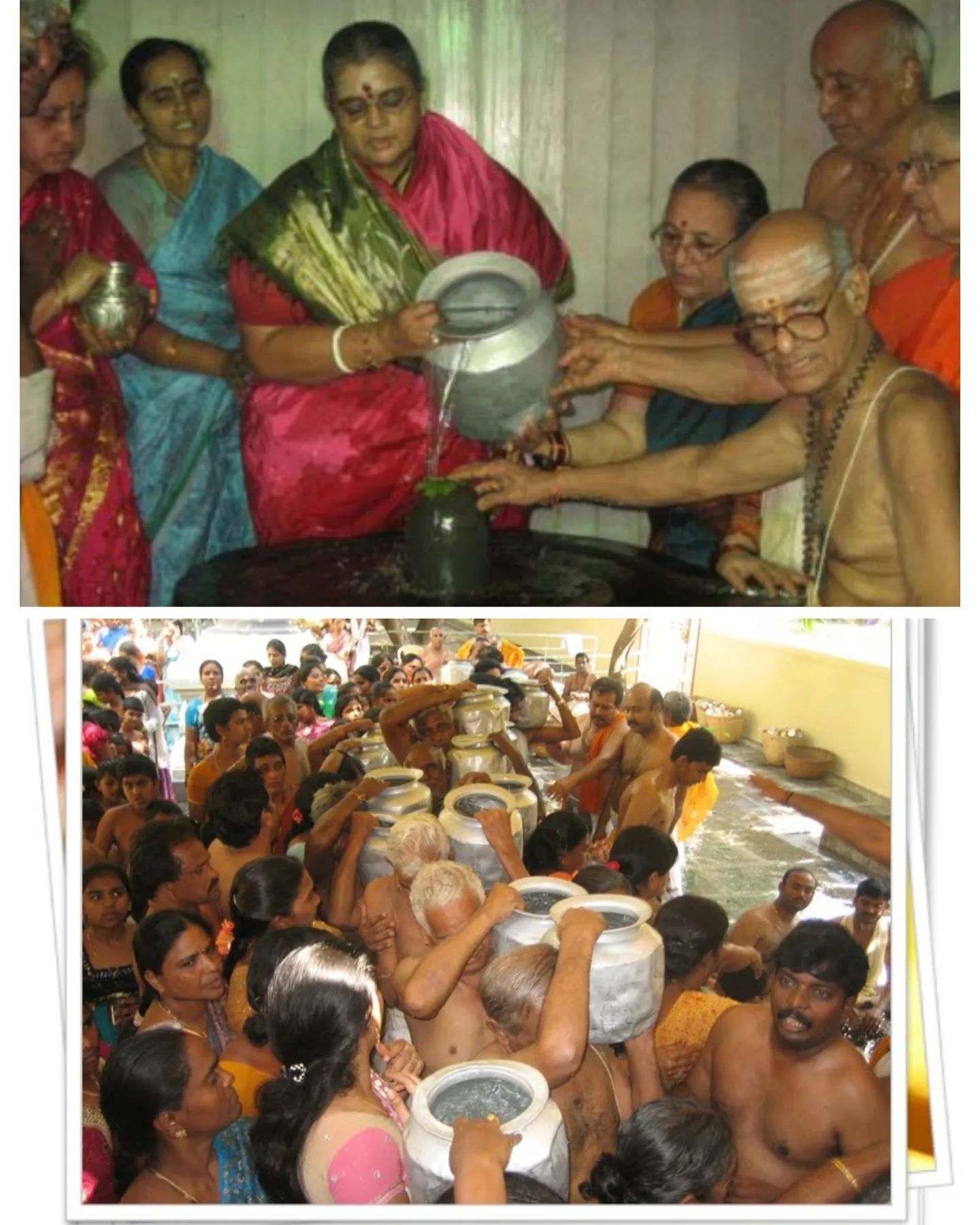 The unique feature of the Shivalayam in the ashram is that everyone wearing traditional clothes can enter the Garbhalayam during the Abishekam time, touch the Shivling and perform Abhishekam, irrespective of caste, gender and other differences. The Sahasra Ghatabhishekam on Sivaratri day is a must-see event to behold and participate in. Several people have been cured of physical and mental diseases by performing Abhishekam to this lord and consuming the holy Teertham.
 On one Shivaratri day Sri Ramalingeswara Swamy appeared as an Atma Lingam in the hands of Sri Babuji. After being worshipped in that form for a few years, he was embedded under the main deity when the Shiva temple was inaugurated.
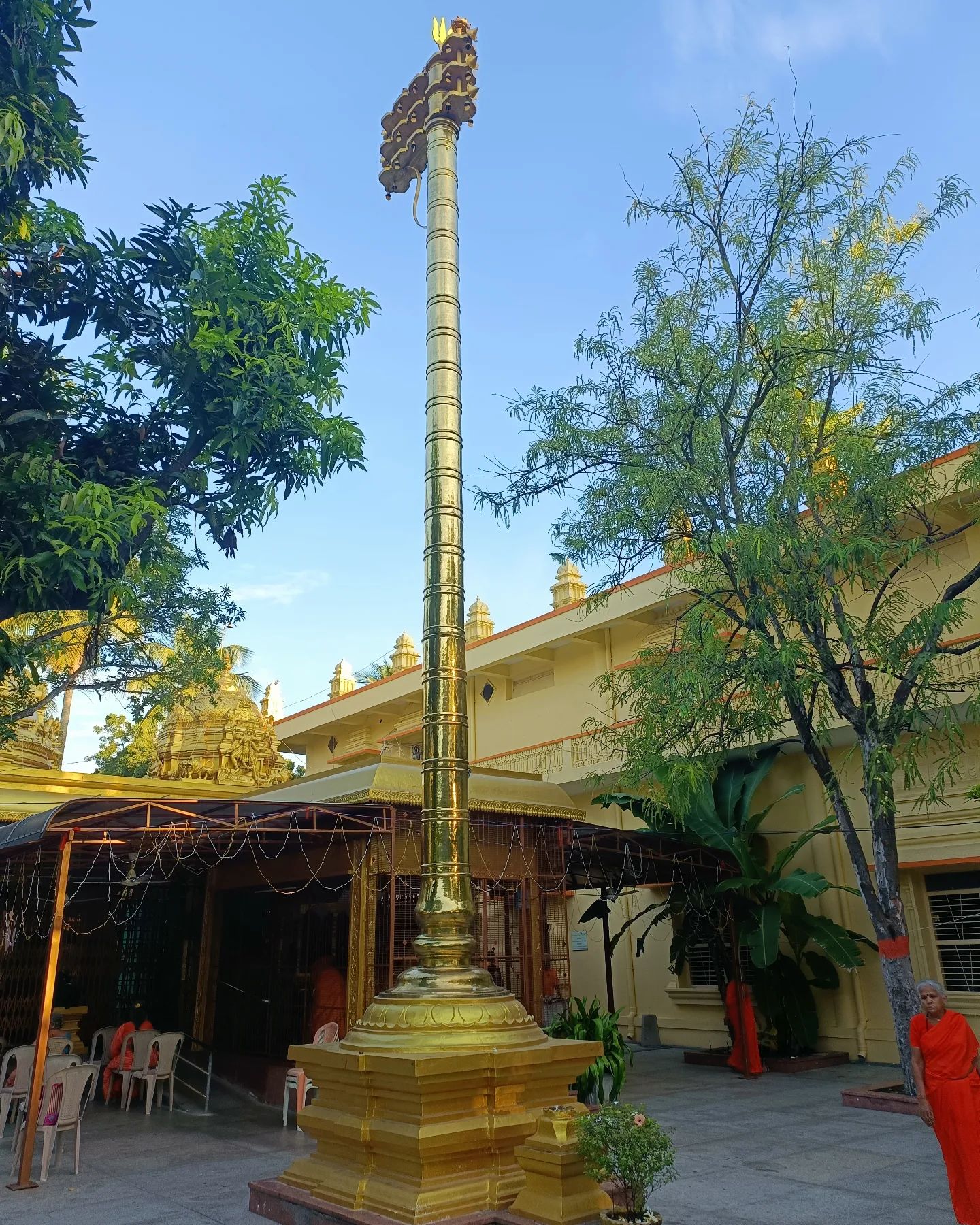 The Dhwaja Sthambham consists of 3 parts. The 1st one is underground and is 4 faced denoting 4 headed Brahma. The 2nd one is in the base and is 8 faced denoting 8 handed Maha Vishnu and the 3rd and visible part is round denoting a Shivling. Thus it is a form of Trimurti.
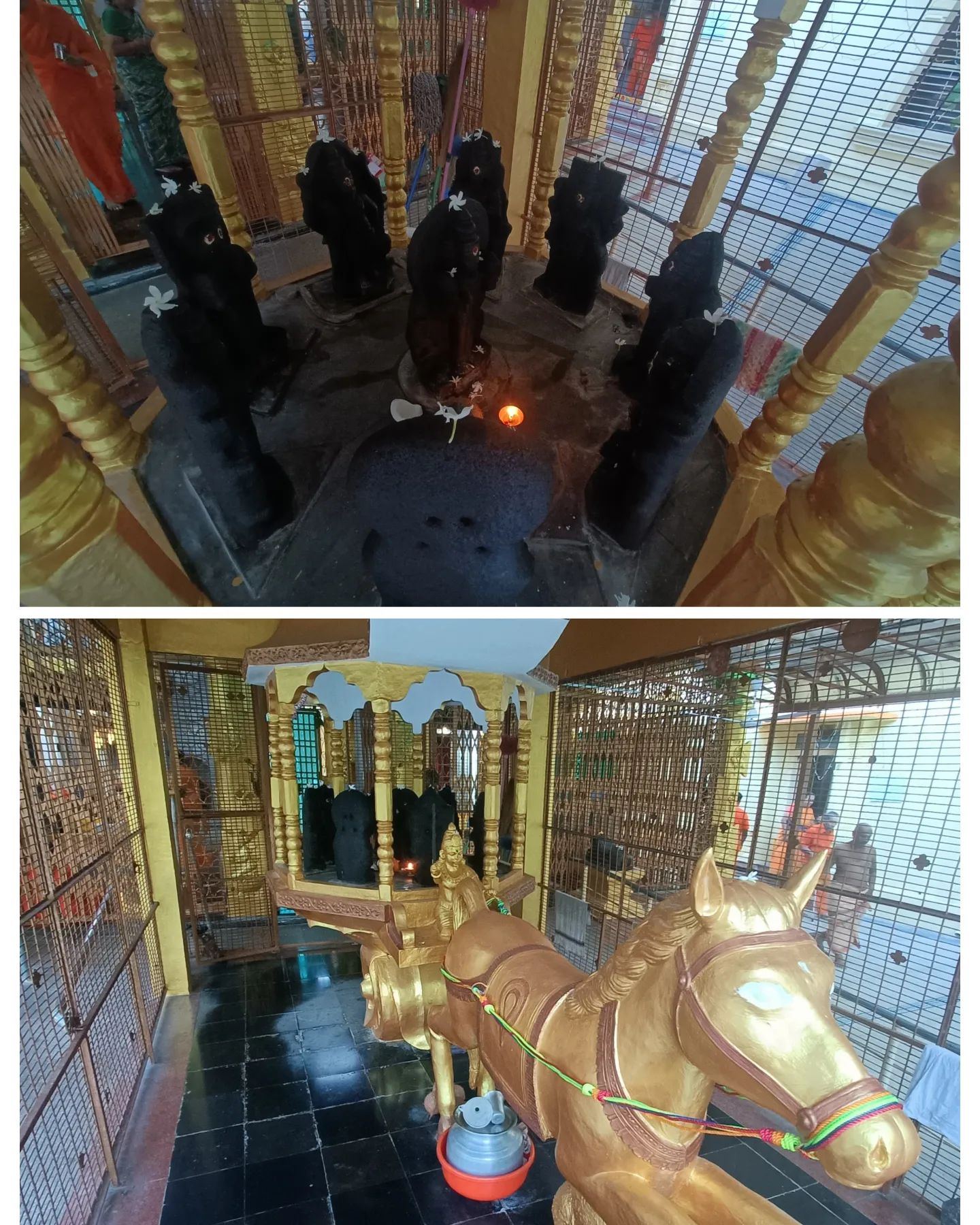 The Navagrahas are installed with the Surya in the middle and the rest 8 in a circle and facing him, all of them on a chariot drawn by a horse named Sapta and driven by Anura, the elder brother of Garuda. The rope of the horse has seven colors of the rainbow.
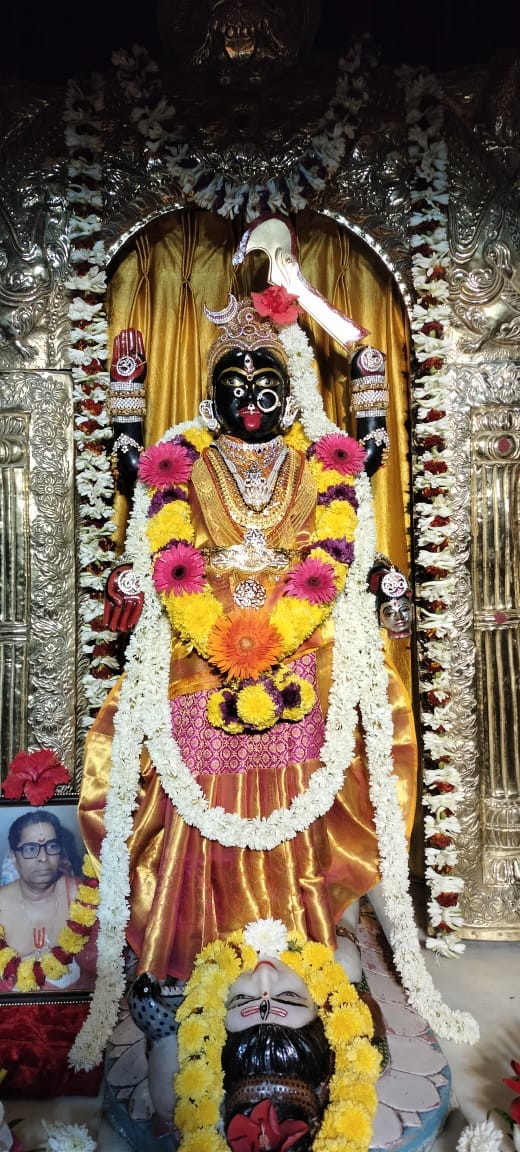 In the Kali temple Maa Kali stands with one leg on Lord Shiva who is lying down almost unnoticeable. This signifies the fact that the beautifully visible nature with all of its vibrancy had emanated from the underlying and unnoticeable God, unless you have a keen interest to seek the root cause of this creation.
 When the ashram was started the garden was full of snakes. Sri Babuji requested permission from the serpent king and assured them of no harm from humans. Since then humans and snakes have been cohabiting the ashram for 50 years without ever harming each other.
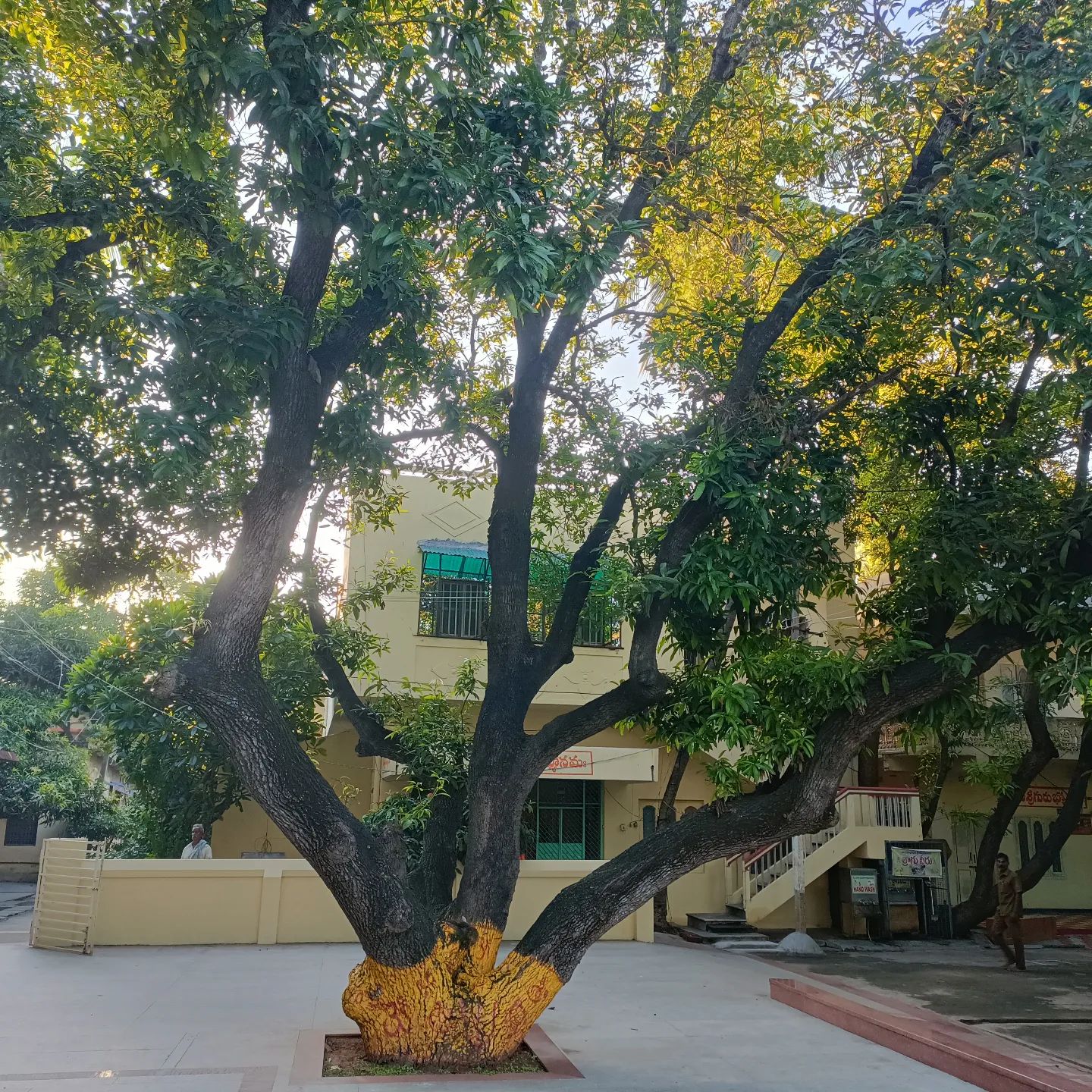 As per Sri Babuji, every big tree in the ashram is a Siddha Purusha doing Tapasya in this form. This particular tree is special as it has been witness to several Satsangs every year during the month-long celebrations of Dhanurmasam.
 Lord Srirama with Sita, Lakshman and Hanuman in our ashram. Devotees who read Sundara kanda for various purposes, or during Dhanurmasam perform puja with betel leaves to Lord Hanuman.
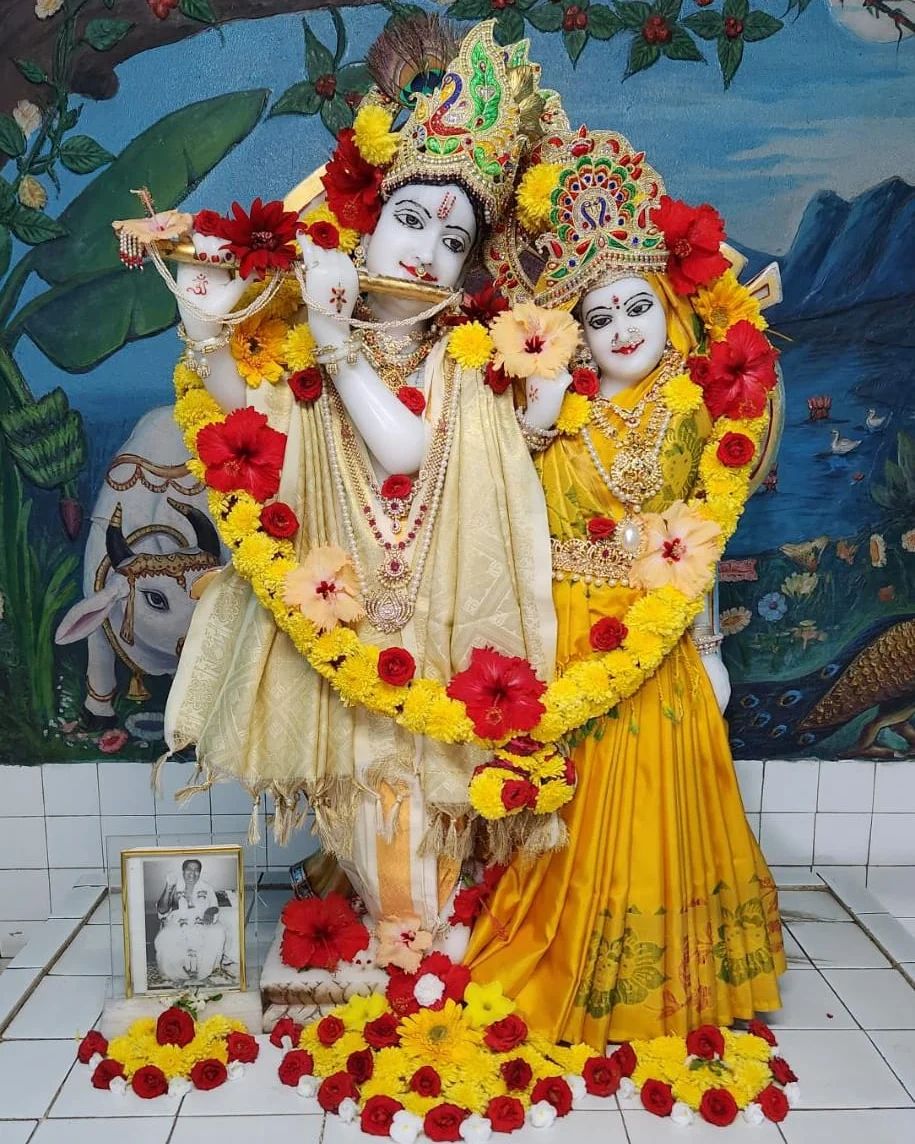 Radha, Krishna, the Om behind them and the lotus base are all carved out of a single stone, signifying they are one and the same even though they appear in different forms. Sri Krishna Janmashtami is celebrated in the ashram for 3 days every year.
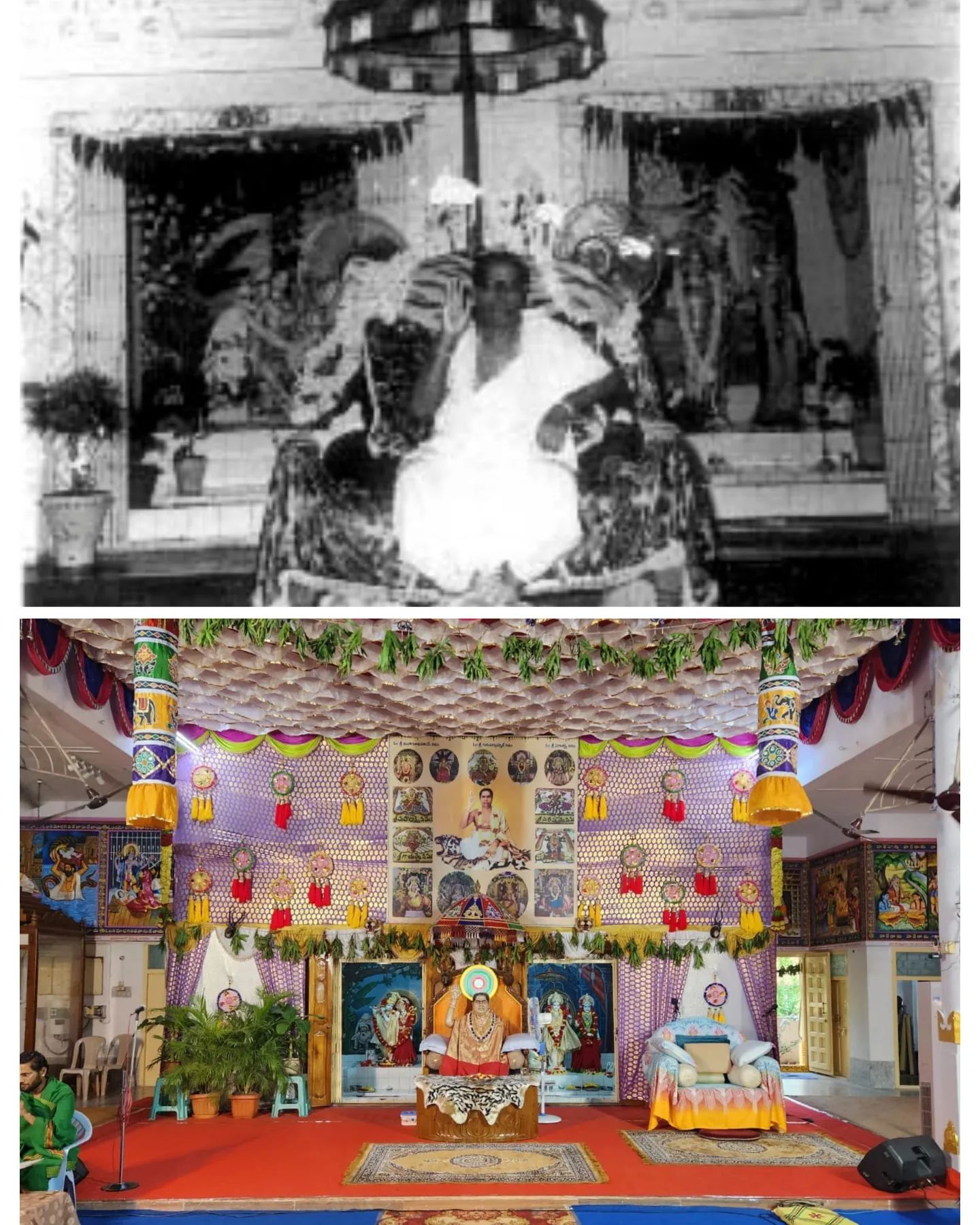 This stage has been witness to many satsangams. During Dussehra 1988, barely a month before concluding his avatar, Sri Babuji gave a discourse from here for 8 hours non-stop and not a single person moved from their seat.
 Sri Babu Vignana Mandir is the first building constructed in the ashram, in which Sri Babuji used to reside. Several devotees also lived in various parts of this building in the initial years of the ashram. It also houses Sri Babuji's puja peetham and daily prayers and all festivals used to be celebrated in this building. Now the second floor houses a museum.
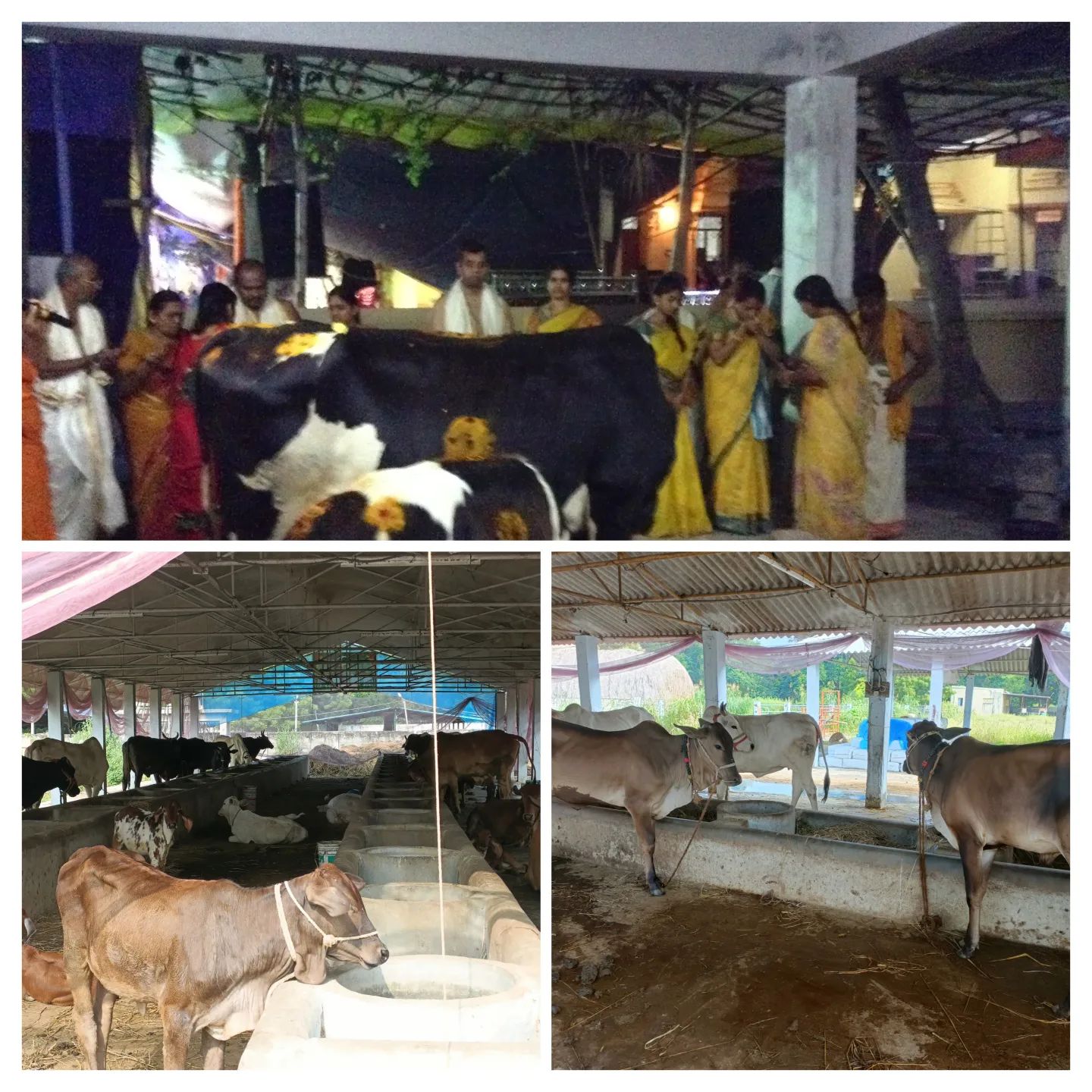 The ashram houses around 60 cows. Pregnant women in the ashram do deeksha to the cow for 41 days praying for a healthy child. Also the cows are worshipped every full moon day.
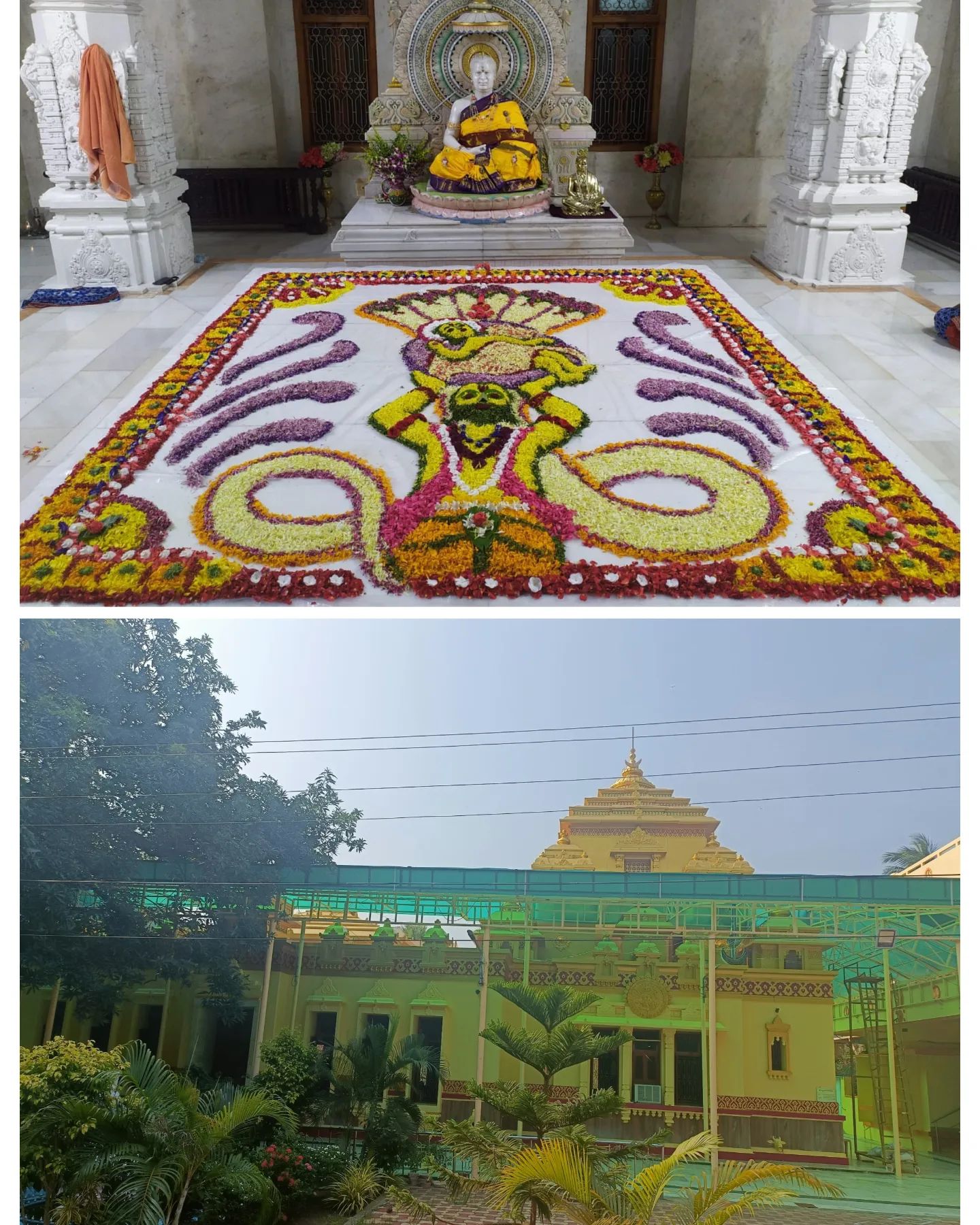 Brundavanam houses Sri Babuji's Maha Samaadhi. It was constructed in the same holy place where 3 yagnas were conducted and now witnesses the eternal Jnana Yagnam. This is where the daily prayers and many festivals are conducted now.
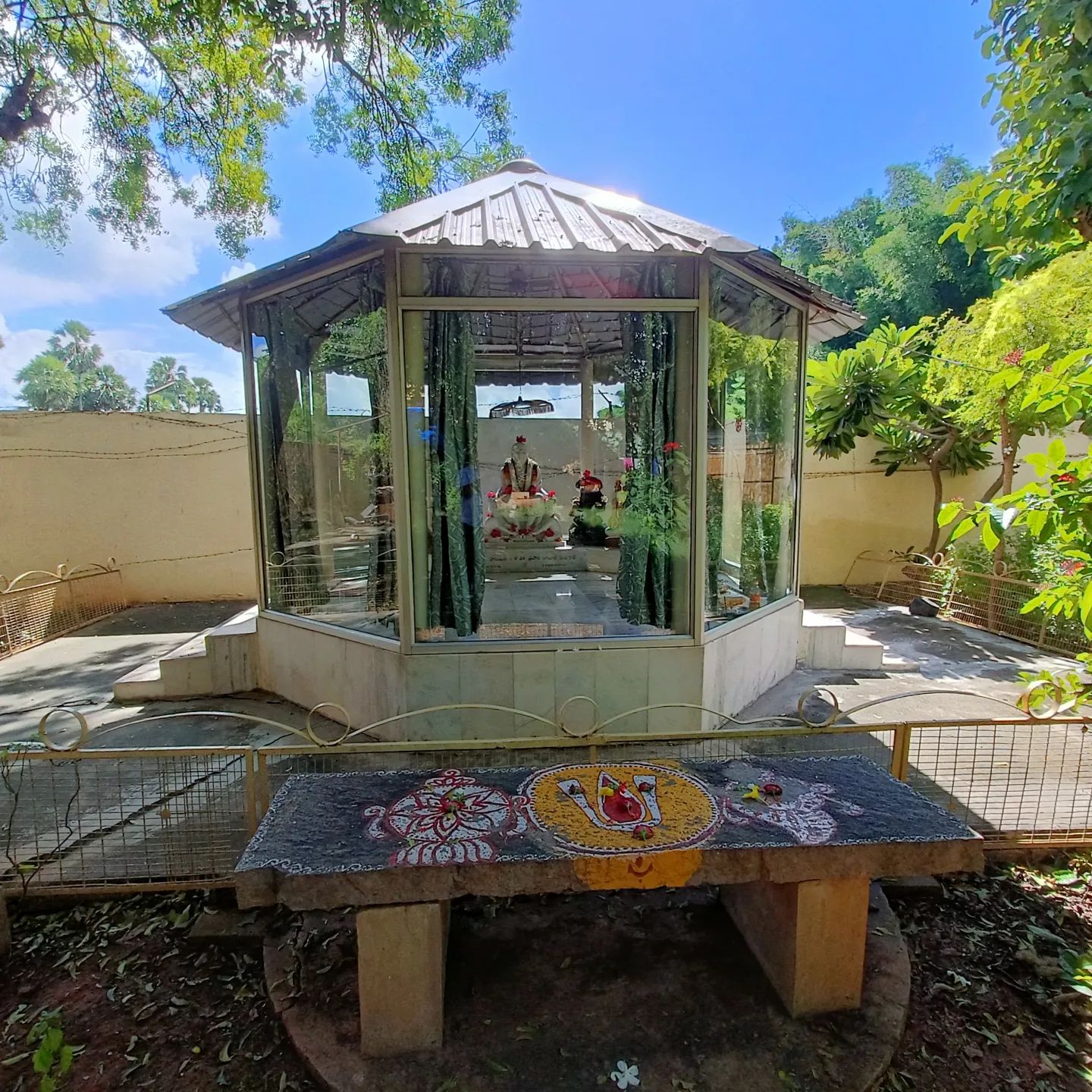 Sri Babuji used to frequently sit on this rock bench in the garden for long periods and meet the devotees there. Once he discussed on the verses from the Holy Quran with a muslim devotee. This came to light when the devotee revealed it after Sri Babuji concluded his avatar.
 Kalimatha and Veera Hanuman are the deities in Sri Babuji's puja peetham. He used to carry them wherever he went and once the ashram was established, he installed them in the puja room, which is popularly known as Amma Gadi. Many terminally ill devotees with diseases like cancer were cured by consuming the teertham given here, and lived on for decades.
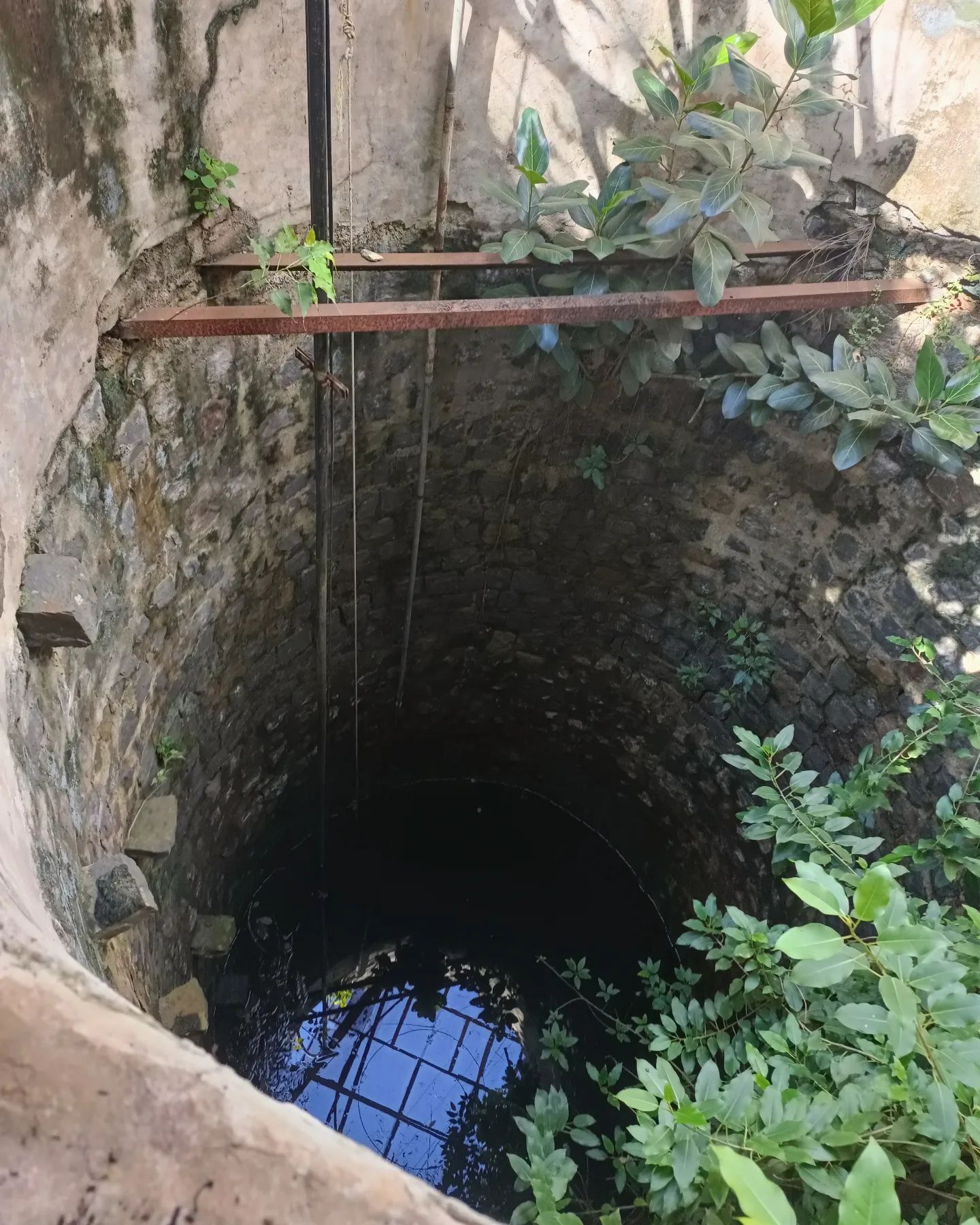 This is Janardana Teertham. Guntur area is known for it's longest ropes to draw water from wells. Geologists surveyed and declared this place has no ground water. But as per Sri Babuji's instructions the devotees dug this well and encountered a huge rock. when it was blasted, an abundant source of water is found, that still serves the ashram for the last 50 years.
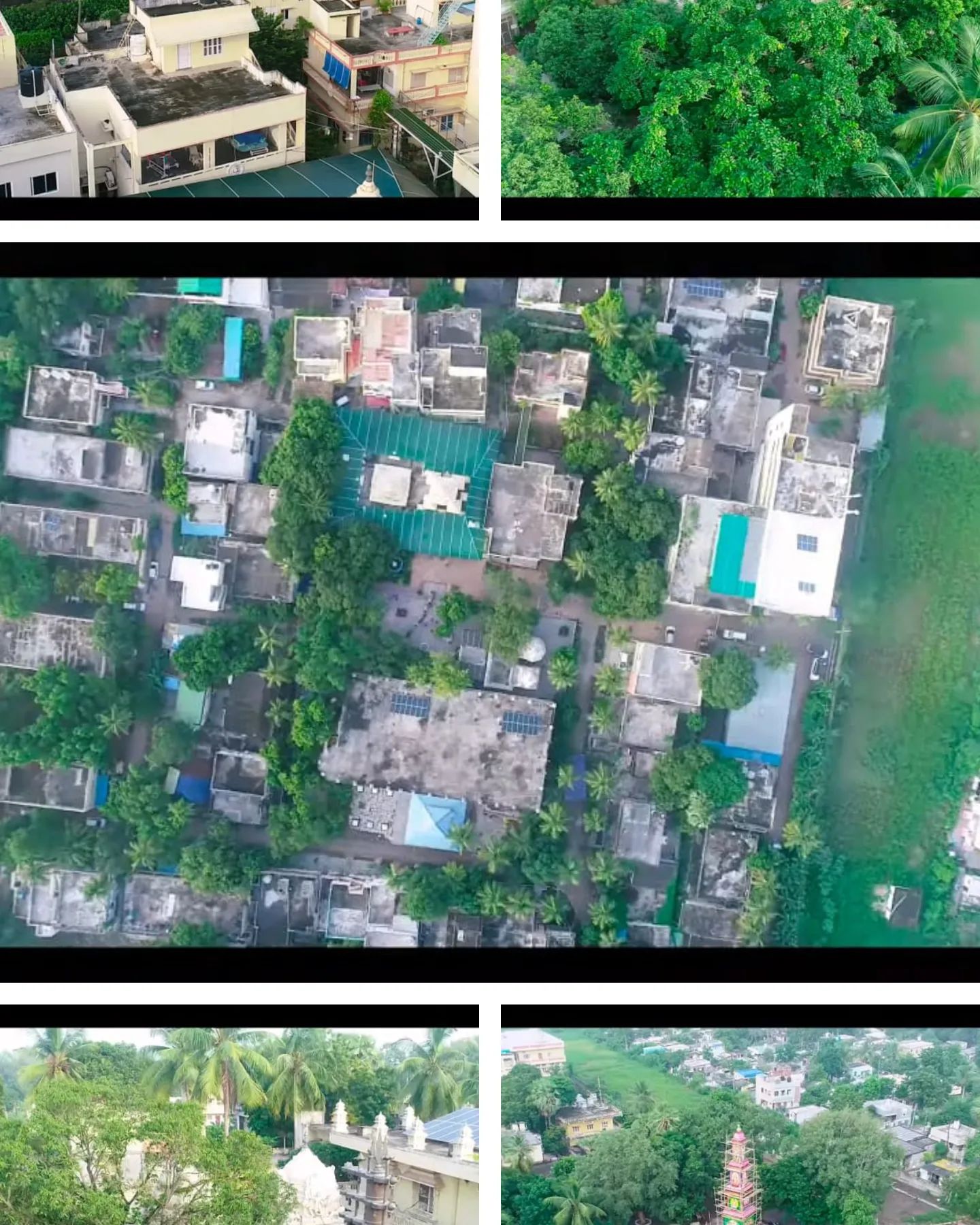 A unique feature of Sri Kali Gardens ashram is that all the devotees live here with families. Sri Babuji's philosophy is that sanyasa is very hard to follow and danger-prone and it's easy to attain salvation as a family person by following the Guru's instructions.
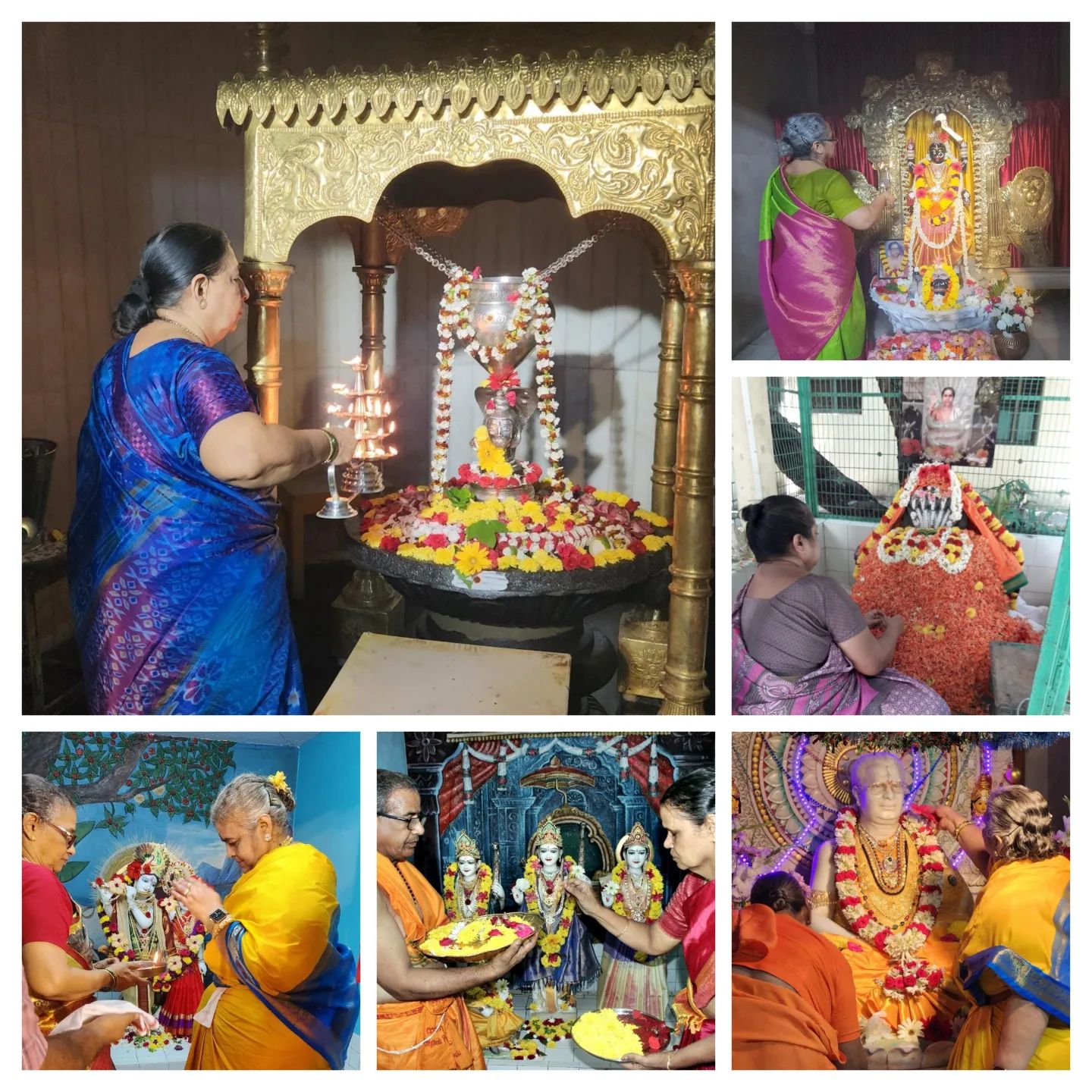 Another unique feature of the ashram, as you can see here, is that most of the priests and helpers in the temples are female. Sri Babuji always encouraged women to learn everything and become independent. Sri Mathaji even learned how to change a car tyre and engine oil.
 Sri Babuji declared that none of the deities in the ashram are mere idols, but they are all living deities. He has bestowed all the power of his tapasya into them and they protect and fulfill rightful desires of the devotees when prayed with faith.
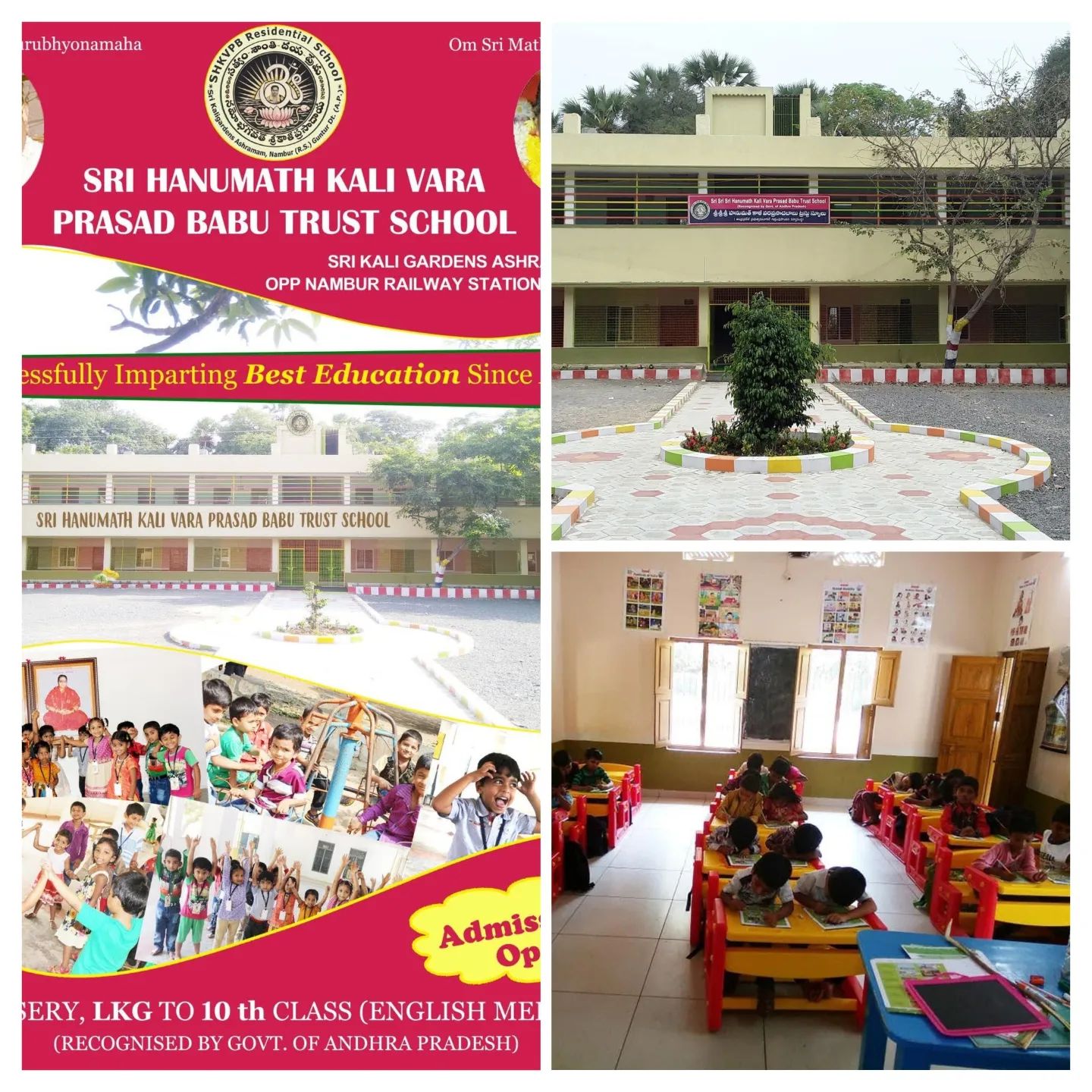 The ashram school caters to hundreds of students from the nearby villages, from varying socio-economic and religious backgrounds and strives to impart quality education along with moral values, so that they become ideal citizens in any profession they get into.
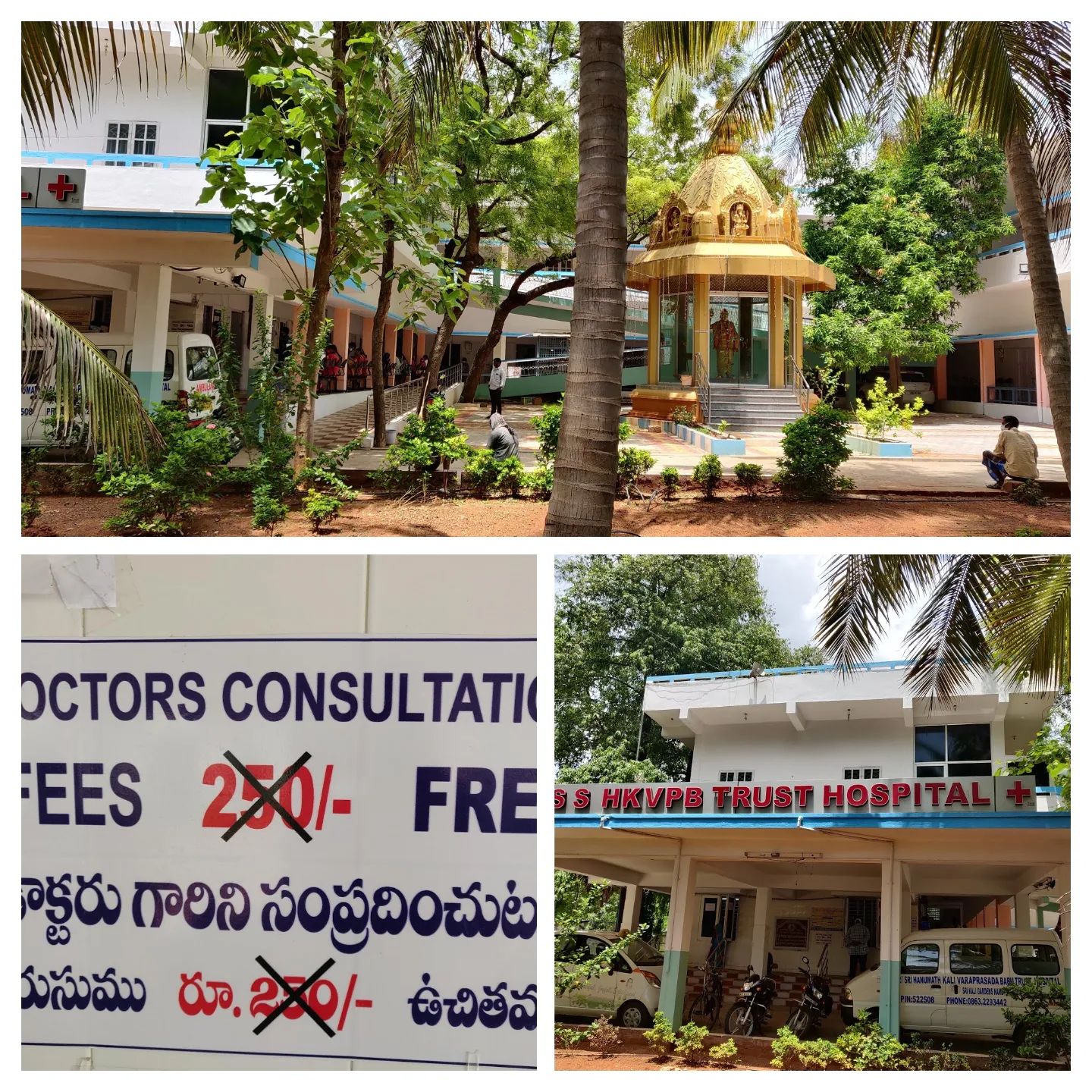 The ashram hospital is serving the patients from the nearby villages, with no consultation fee and also free deliveries and other treatments for the eligible. They also conduct free medical camps, eye camps etc. They have done a tremendous job during the Covid pandemic by treating patients, who were refused treatment elsewhere.
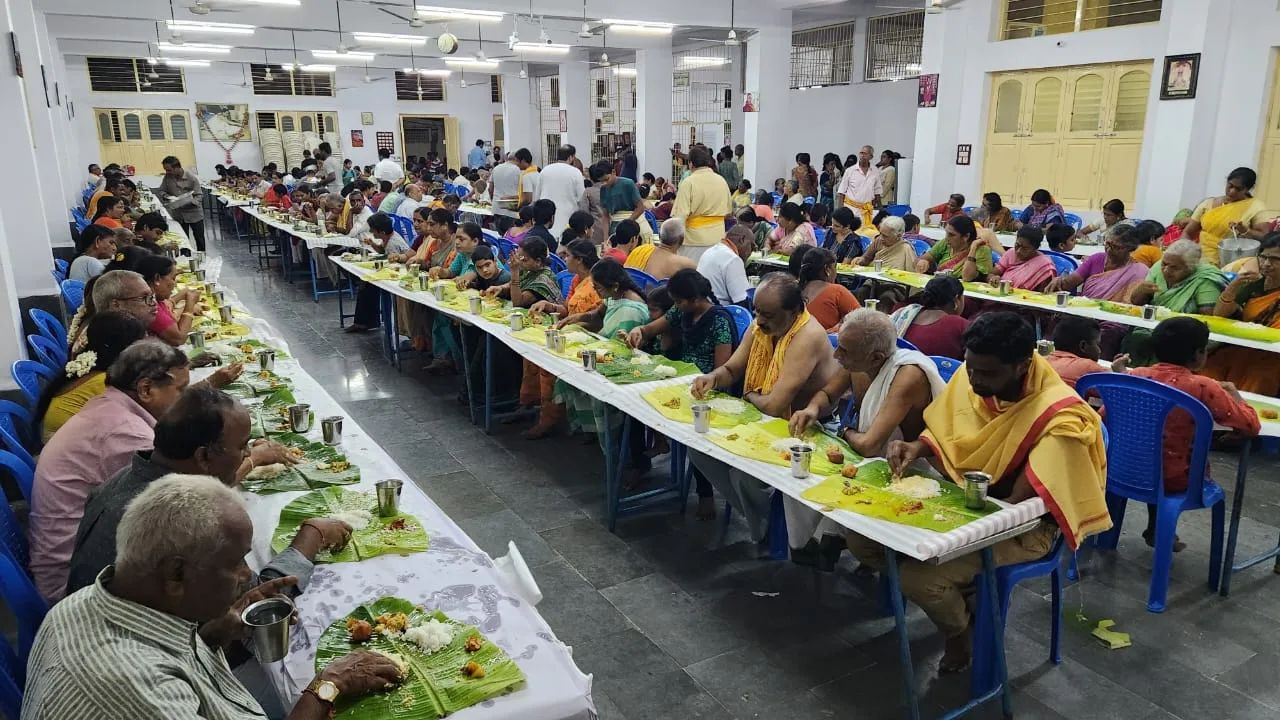 Sri Babuji's principle is that preaching to a hungry person is useless and only when the biological hunger is satisfied, people can strive to satisfy their spiritual hunger. The ashram serves food to all the visitors under the annadanam scheme and maha prasadam is served to devotees on all festival days and also by the residents on all personal happy and sad occasions.
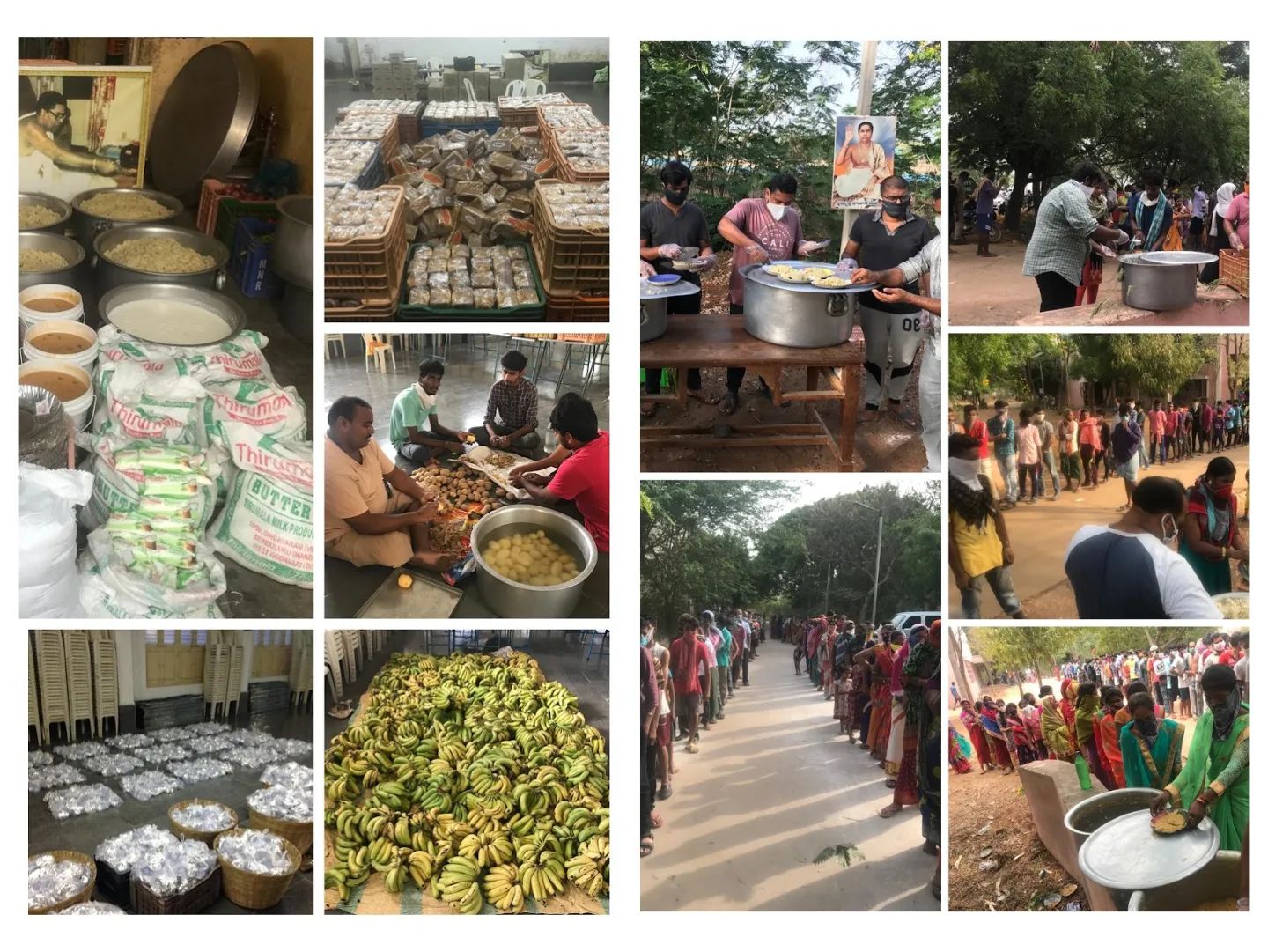 Sri Sadguru Yuva Seva Samithi is an organization of young volunteers, who make all the arrangements for the programs and festivals in the ashram. They also conduct relief operations during natural calamities. They cooked and served 3 meals a day for thousands of stranded laborers in the district throughout the Covid lockdown.
 Samardha Sadguru is a Telugu monthly and English quarterly spiritual magazine striving to propagate Sri Babuji's and Sri Mathaji's message throughout the world. You can see Sri Babuji inaugurating the first issue on Srirama Navami in 1981.
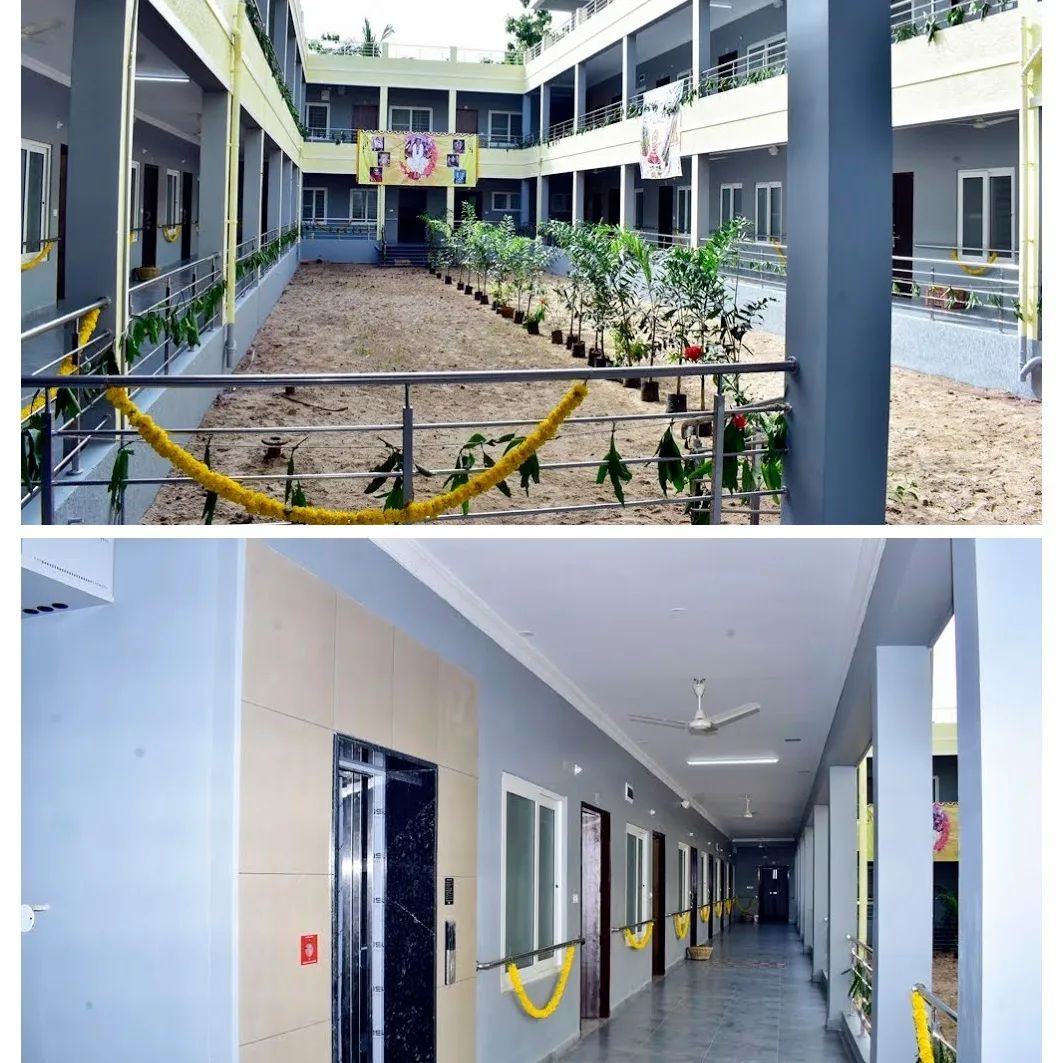 The Ashrita Ashrayam is a home for the elders, who have fulfilled their familial duties and eager to lead a spiritual life. It has all the facilities and for them to lead a peaceful life and have fruitful spiritual discussions in their leisure time.
 On Bhogi day thousands of devotees throng the ashram from across the 2 telugu states as they get a chance to pour Indian Jujube fruits, flowers and coins on Sri Babuji, and those are again distributed to all the devotees as prasadam. The coins when kept safe in purse or puja mandir with reverence are proven to protect the devotees and bestow prosperity.
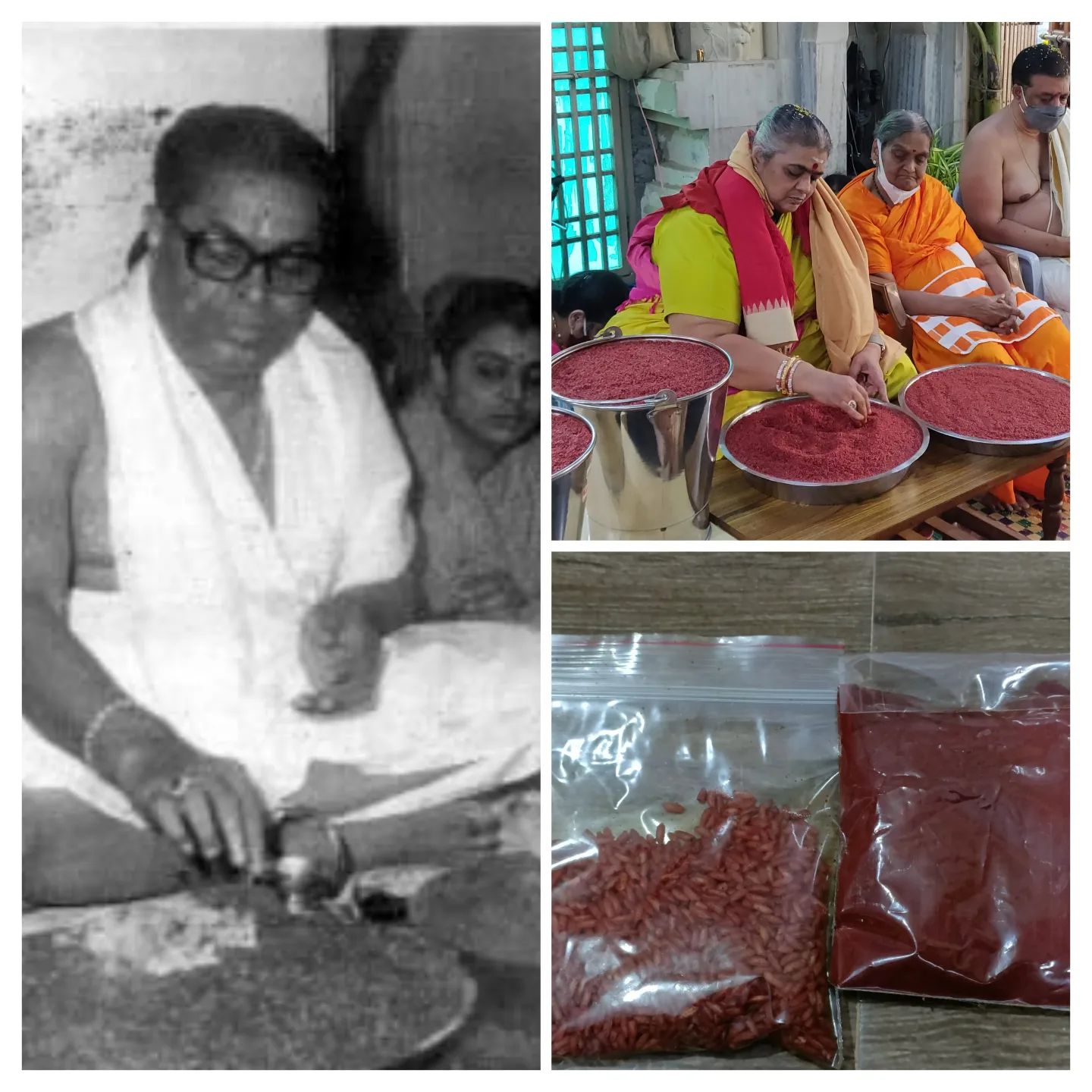 On the last day of Dussehra celebrations the Kumkum used in the worship of the Divine Mother, and the Akshatas sanctified using Beeja Aksharas by Sri Babuji/Sri Mathaji are distributed to the devotees. These, when worn everyday with reverence, are known to protect the individual from both physical and mental harm.
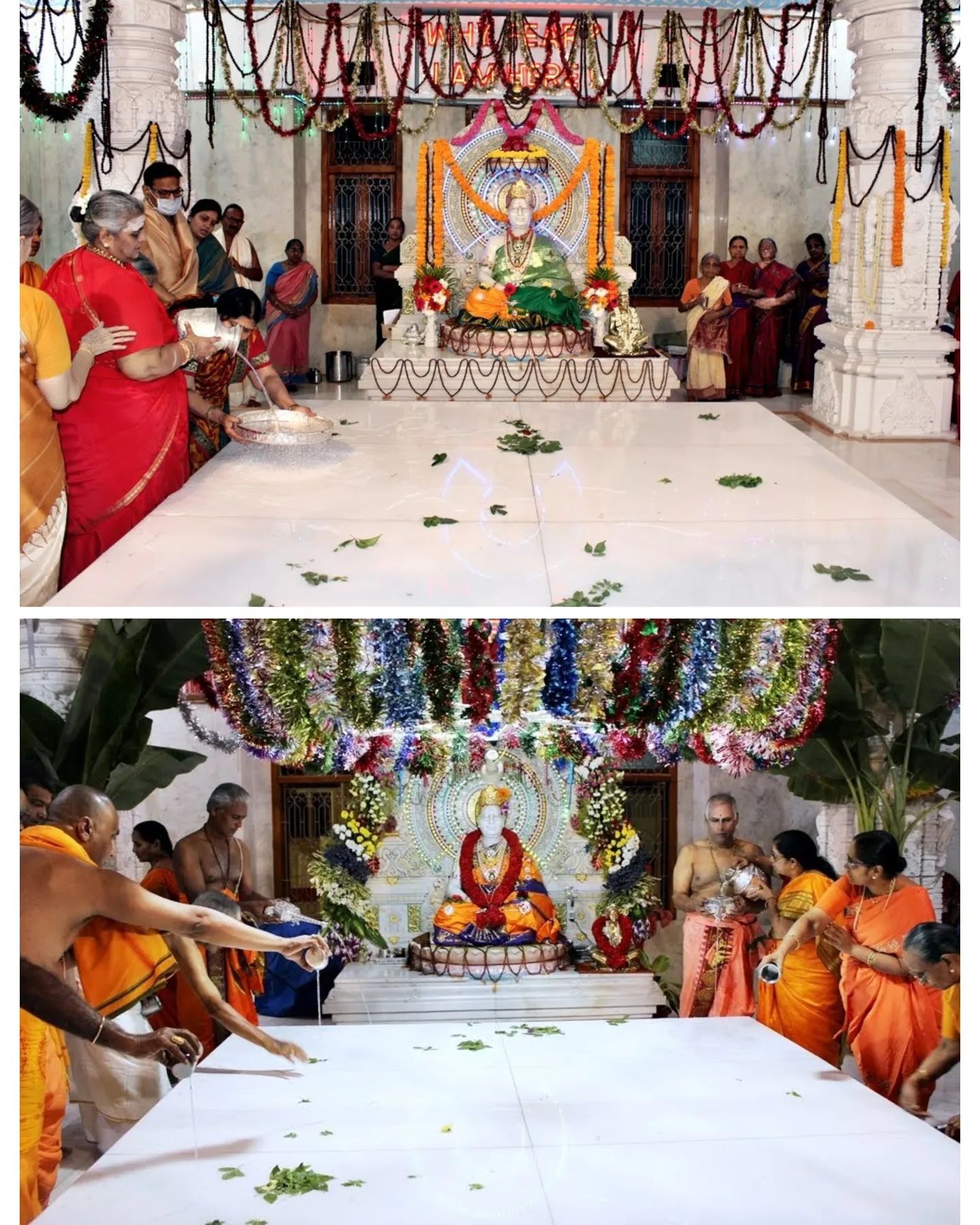 All the devotees get a chance to do Abhishekam to Sri Babuji's Brundavanam twice a year - on Mahashivratri and Karthika Krishna Dashami (Sri Guru Dashami) as part of Sri Gurudev's Punya Aradhana.
 Sri Brundavanam is decorated with flowers and petals each day and elaborate designs are made on all festival and special days.